
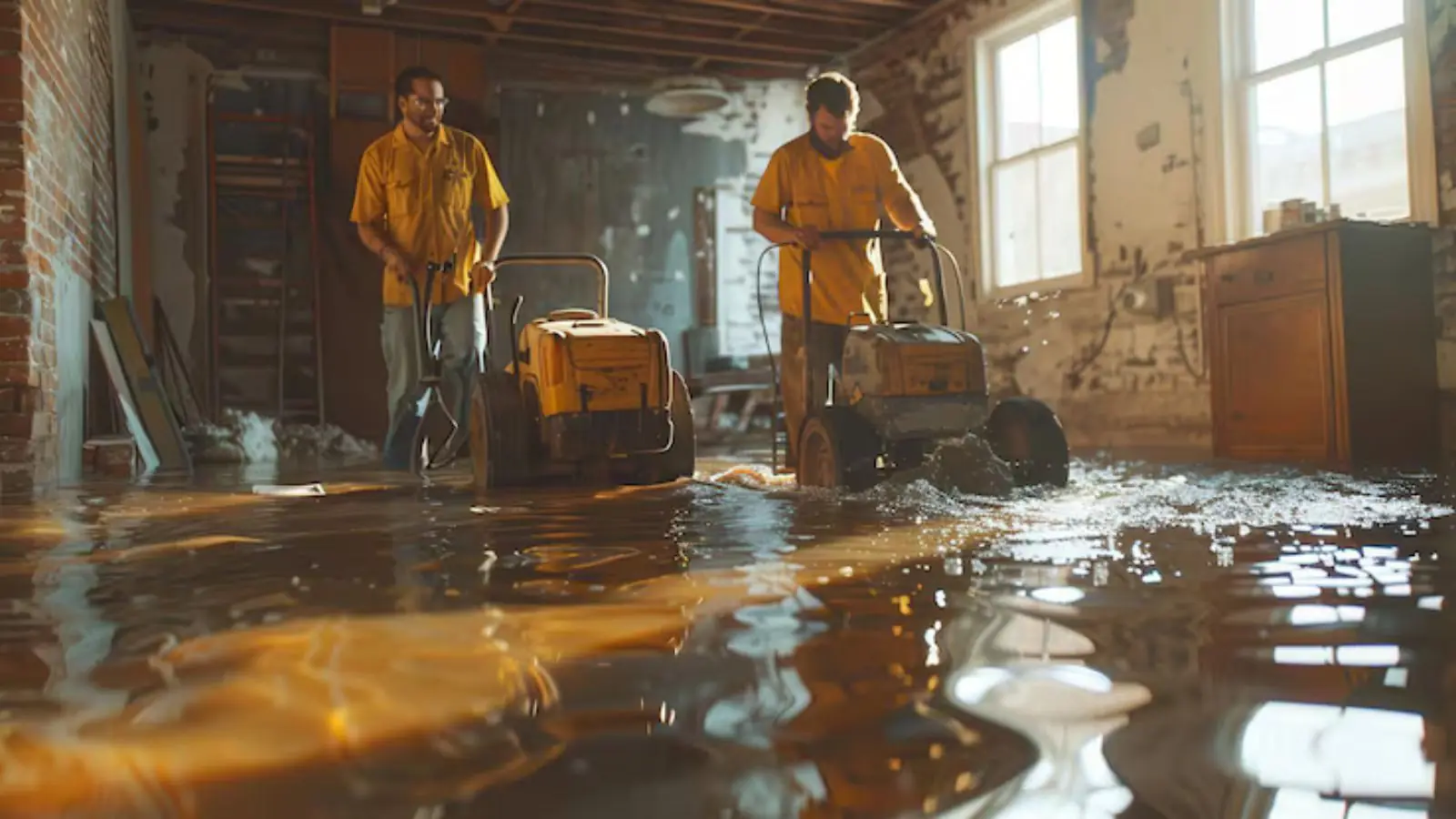
Dirty water and soaked belongings will not wait until morning, and the 24/7 line is staffed for exactly that. Before anyone arrives, stop the source, shut the main water valve, cut power to wet areas only if it is safe, set aside what you can lift out, and keep children and pets away from standing water.
Emergency water damage cleanup in Laguna Niguel is the removal of water, debris and contaminated materials, followed by sanitizing, deodorizing and sorting your contents. It is the first 48 hours of getting a wet home clean again.
Dirty Water on the Floor Right Now: Your First Moves
Before cleanup crews can start
Do only what is safe. Anything touching electrical or involving a drain is handled differently.
Find out where it came from
A broken supply line is clean water at first. A toilet overflow, washing machine drain or sewer backup is not, and that changes everything about the work.
Protect yourself
Wear rubber boots and gloves, and avoid wading through water that came from a drain. Keep bare skin out of it.
Move what you can
Lift rugs, books, boxes and small furniture to a dry room. Photograph everything before you move it.
Leave soaked porous items alone
Do not run a household vacuum on wet carpet or try to dry padding with a hair dryer.
Safety comes before cleanup
If water is touching outlets or a breaker panel, stay out and call 911 or your electric utility, which is Southern California Edison or San Diego Gas & Electric depending on your address. Cut power only if the panel is dry and safe to reach. If you smell gas, leave and call SoCalGas. For sewage, stop using water and keep everyone out of the affected rooms. Then call our line.
What Gets Removed and What Gets Cleaned
ANSI/IICRC S500 defines Category 1, 2 and 3 water. Category 1 comes from a clean source such as a supply line. Category 2 is gray water, like a dishwasher or washing machine discharge. Category 3 is contaminated, including sewage and any water that has sat long enough to turn bad.
The category drives what leaves the house. The table shows the usual pattern, though a crew decides after testing the actual materials.
| Water category | Porous materials | Hard surfaces |
|---|---|---|
| Category 1 | Carpet and padding can often be lifted and dried if caught early | Wiped and dried |
| Category 2 | Padding is removed, carpet cleaned or replaced, wet drywall cut out | Cleaned and sanitized |
| Category 3 | Carpet, padding and affected drywall are removed and discarded | Cleaned, sanitized and checked before rebuild |
Ask any company whether its crews work to ANSI/IICRC S500, the published industry standard.
Debris Removal and Controlled Demolition
Removing debris means more than hauling out trash. Crews cut drywall at a clean line above the wet mark, pull baseboards, remove wet insulation and bag soaked padding so nothing drips through the house. Extraction units take up remaining water before surfaces are cleaned.
Cutting out wall material feels drastic, but wet drywall that stays in place can hold moisture for days. The EPA says to dry water-damaged areas within 24 to 48 hours to prevent mold, and materials that cannot meet that window usually come out.
Sanitizing and Deodorizing a Wet Home
After debris is out, surfaces are cleaned with detergent, then treated with an antimicrobial product where the water category calls for it. Spraying a scented product over a wet area only hides the problem, so odor work starts after the source material is gone.
Persistent smells usually come from wet subfloor, insulation or carpet padding. Air scrubbers and thermal fogging may be used for lingering odors, and a moisture meter confirms nothing damp is left behind. If the smell returns after cleaning, it is a sign something stayed wet, and you should call again. A dark patch also means mold remediation may be the next step.
Contents Handling: Keep, Clean or Discard
Salvageable
Hard furniture, glass, metal and sealed items can be cleaned and sanitized.
Questionable
Upholstery, books and papers depend on the water category and how long they sat wet.
Discard
Items soaked in Category 3 water, mattresses and soft goods are normally thrown away.
Document
Photos and a list with brand names help your insurer, so take them before anything leaves the house.
Wet debris and a smell you cannot ignore?
Call the after-hours cleanup line. Same-day response is offered when available, and scope and price are explained before work starts.
How a Cleanup Visit Runs
Walkthrough
Crews find the source, identify the water category and photograph the damage.
Extraction and removal
Standing water is pulled out, then wet debris and contaminated materials are bagged and carried out.
Clean and sanitize
Surfaces get detergent cleaning, antimicrobial treatment where needed and odor work.
Meter check
Readings confirm the area is ready for drying equipment or rebuild.
Laguna Niguel Cleanup Realities
Sewage and Drain Backups in Laguna Niguel
Sewer service in Laguna Niguel is Moulton Niguel Water District or South Coast Water District depending on location. The city says the property owner maintains the private lateral from the house to the public sewer, including the portion under the sidewalk or street. A backup in the home often means a blockage in that lateral, so a licensed plumber is the first call.
Cleanup of a sewage backup is a Category 3 job. Stay out, keep pets away and let trained crews work in protective gear.
Most homes here sit on slabs or raised foundations rather than basements, so water often spreads across a single floor and into wall bases. That makes it important to check where water went under baseboards.
About 6,000 homes in the city were built before 1980, according to the housing element. In older homes, ask a qualified professional about testing before cutting into old drywall or flooring. When water is still standing, emergency water removal comes first, and once the structure is clean, water damage repair rebuilds it.
What Cleanup Costs and How Insurance Fits
| Factor | How it moves the price | What to ask |
|---|---|---|
| Water category | Category 3 needs protective gear, more disposal and more disinfecting | Is it gray or contaminated water? |
| Affected area | Larger floor area and taller wall cuts raise labor and disposal | How far up the walls will you cut? |
| Materials removed | Carpet, padding and drywall each add hauling and rebuild cost | What is removed and what is kept? |
| Contents volume | More items to sort, clean or discard add hours | Who documents the contents? |
| Odor treatment | Persistent odor may need extra equipment and visits | What happens if the smell returns? |
Sudden and accidental water damage is often covered by homeowners insurance, while gradual leaks and neglect often are not, and flood usually needs separate flood coverage. The California Department of Insurance says insurers reimburse reasonable costs to protect your property, so keep receipts and ask your insurer what applies to yours. The real number comes from a scope after assessment. Call the 24/7 line and we will explain scope and price before work starts.
Water Damage Cleanup Questions Answered
Yes. The line runs 24/7, so a sewage backup on a Sunday evening gets a call back the same way a weekday leak does, and same-day response is offered when available. Describe where the water came from and what it touched, and the dispatcher will tell you what to do while you wait.
Do not wait. The EPA advises drying water-damaged areas within 24 to 48 hours to prevent mold, and cleanup comes before drying. The longer wet material sits, the more of it has to be thrown away.
No. Sewage is Category 3 water, and the EPA says to call in a professional for contaminated water. Stay out of the area, stop using water and call a licensed plumber about the lateral.
Often it does, once wet carpet, padding and drywall are gone and the structure is dry. A smell that comes back usually means moisture remains in a cavity or subfloor, so tell the crew and ask for another meter check.
Hard items are usually cleaned and sanitized, while soft goods soaked in contaminated water are normally discarded. Photograph and list items first so you have a record for your insurer.
No. Moulton Niguel Water District maintains the public system, and indoor cleanup and private lateral problems are the owner's responsibility. Ask your water district or your insurer if you are unsure about a specific pipe.